




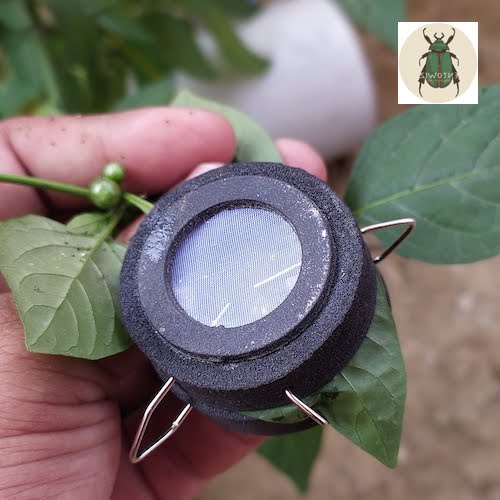
When selecting insect containers, several important points should be considered to ensure the suitability and effectiveness of the containers for the intended purpose. Here are the main points to keep in mind:
Size and Capacity: Choose containers that provide ample space for the insects being studied, considering factors such as the size, number, and behavior of the insects. Ensure that the containers have sufficient capacity to accommodate the insects comfortably without overcrowding. Outnumber of insects than the capacity of the insect containers results in death of insects
Material: Select containers made from either glass or plastic. Transparent containers allow for easy observation of the insects without the need to disturb them, while durable materials ensure longevity and resistance to damage.
Ventilation: Ensure that the containers provide adequate ventilation to maintain airflow and prevent the buildup of moisture, which can lead to mold growth or respiratory issues for the insects. Look for containers with built-in ventilation holes or mesh screens to facilitate airflow. Different ventilations might also be useful since different insects have varied requirements when it comes to moisture. Also, it is important to take note that whether the insects are going to be raised on artificial food or natural plant materials.
Escape Prevention: Choose containers with secure closures or lids to prevent the escape of insects. Look for containers with tight-fitting lids or sealing mechanisms that minimize the risk of insects escaping and contaminating the environment. Also few of the times when containers are intended for transporting insects from field to field or field to lab or lab to field or simply one location to another location it is important to consider the containers with tight lids
Accessibility: Consider the ease of access to the insects within the containers for observation, feeding, and maintenance. Select containers with convenient openings or access points that allow for easy handling of the insects without causing stress or injury. For example easy to remove aeration holes acts as both aeration holes as well as feeding point.
Stackability and Storage: If multiple containers will be used, consider containers that are stackable for efficient storage and space utilization. Stackable containers help optimize storage space and organization, especially in limited laboratory or storage environments. This is especially useful when intension is to raise multiple insect colonies to be raised for specific research objectives
Cost and Budget: Evaluate the cost-effectiveness of the containers relative to the research budget and long-term maintenance requirements. Balance the upfront cost of the containers with their durability, functionality, and suitability for the intended use. We have several containers few are durable and others last short term.
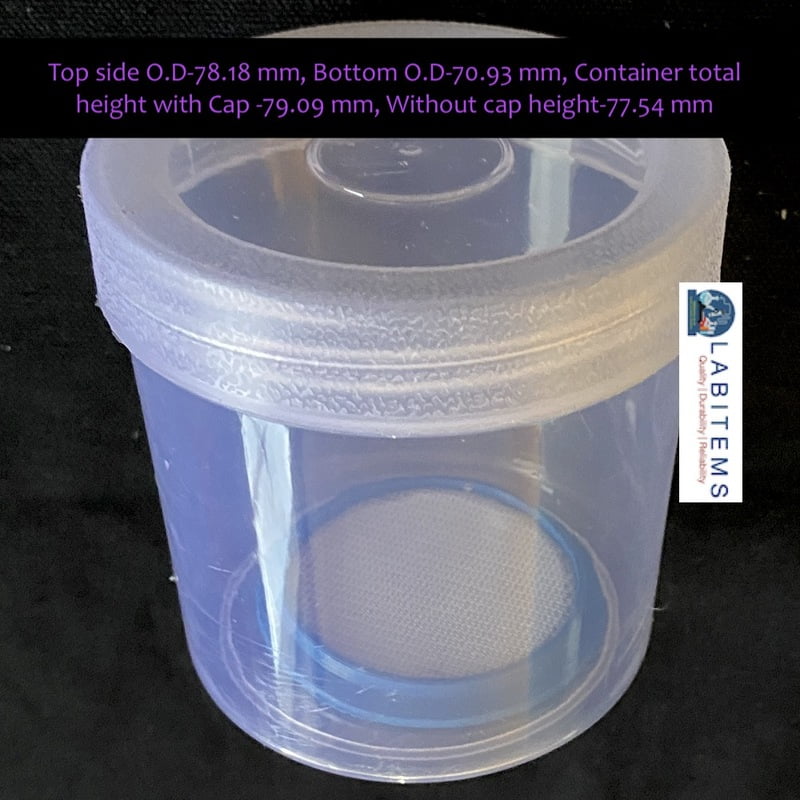
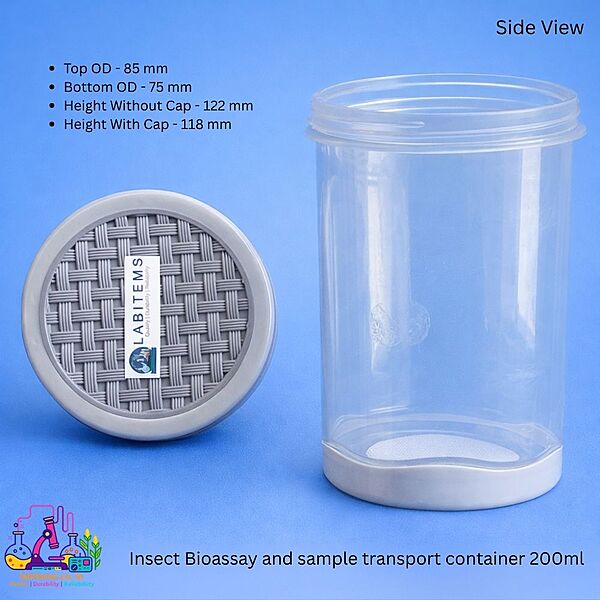
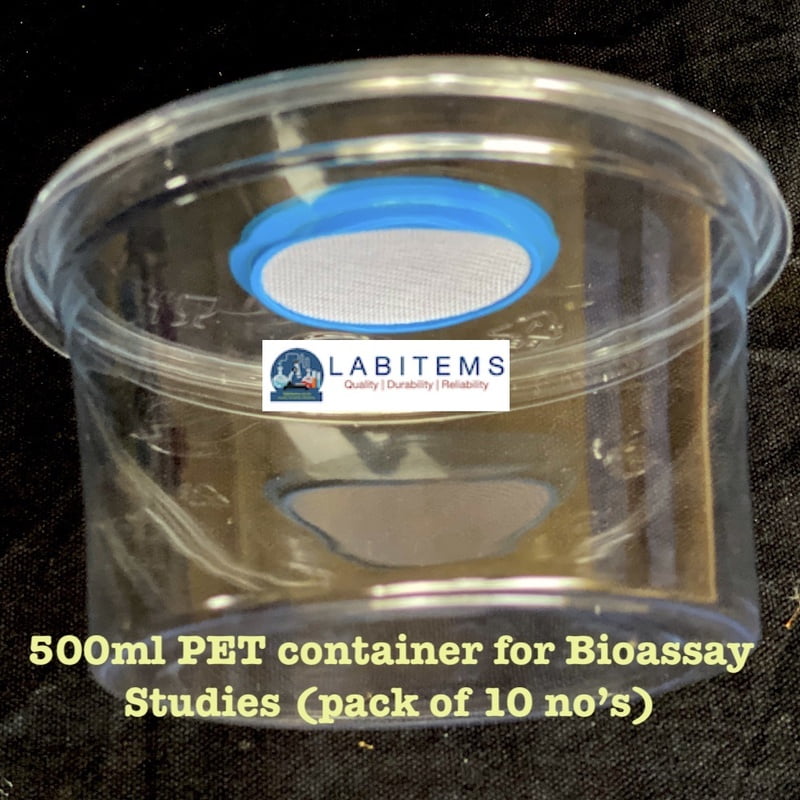
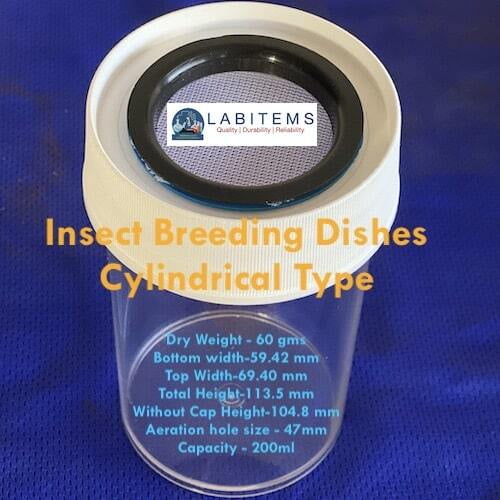
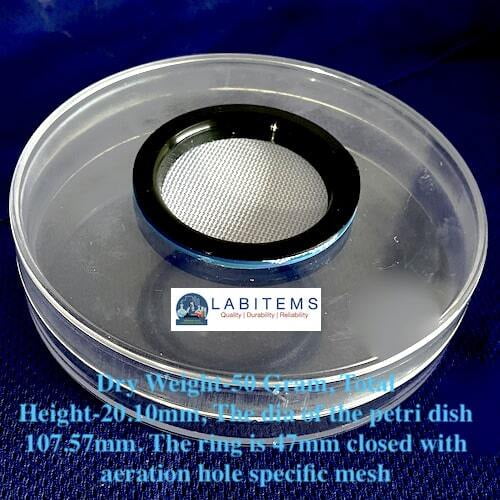

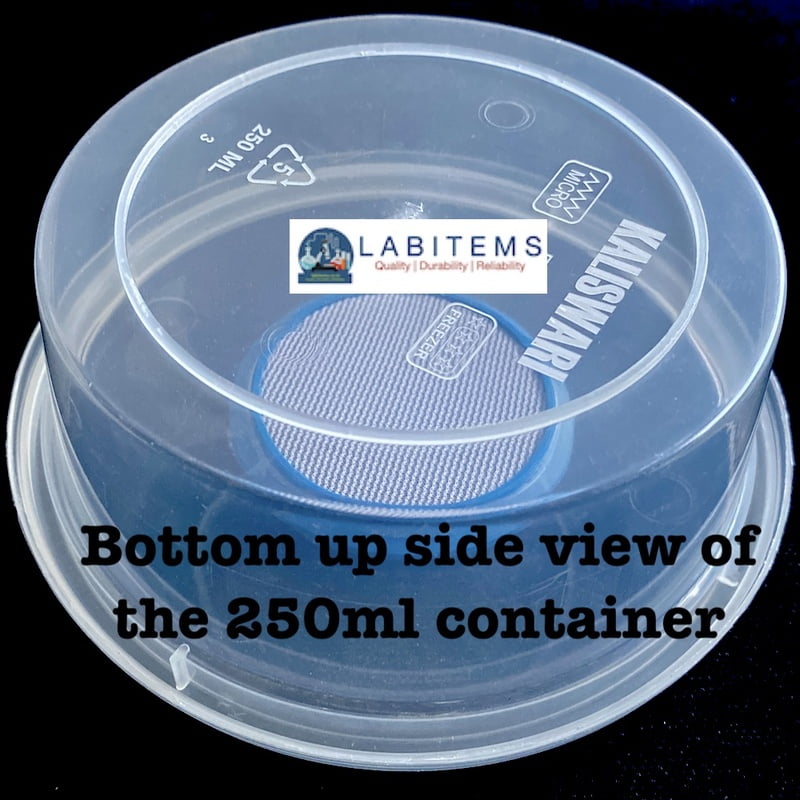
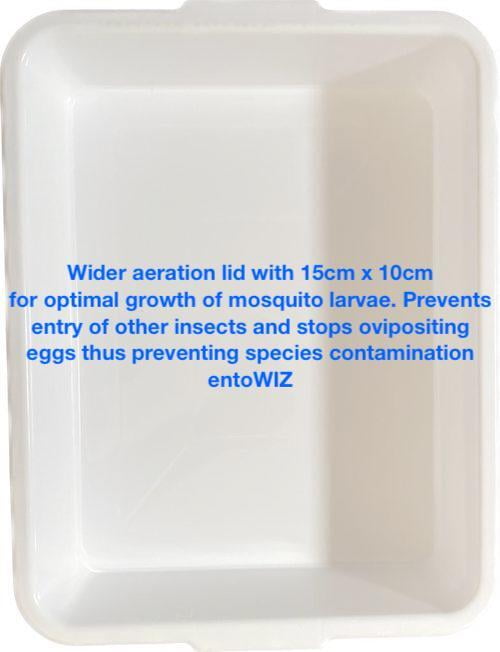
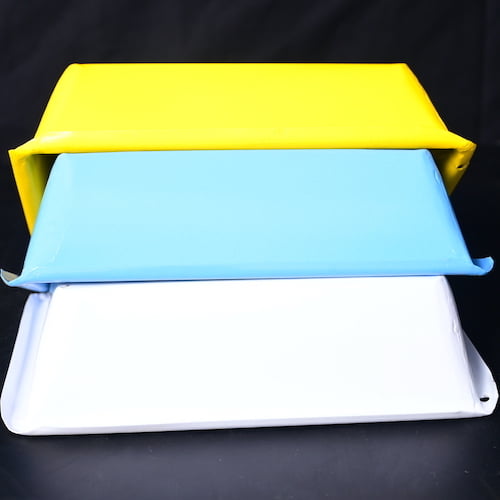
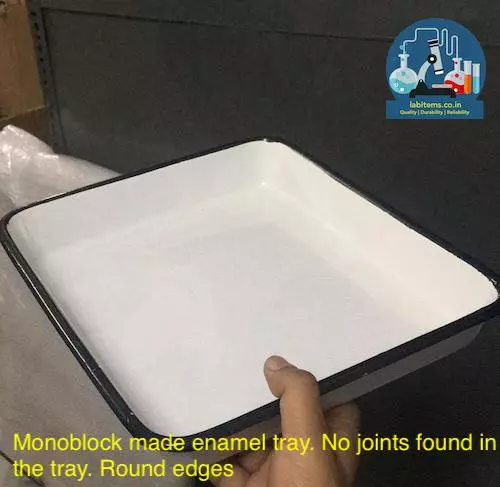
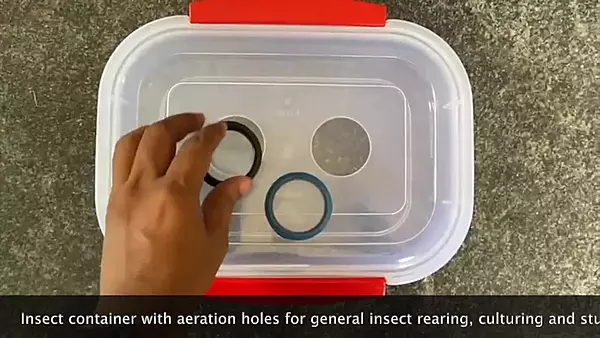
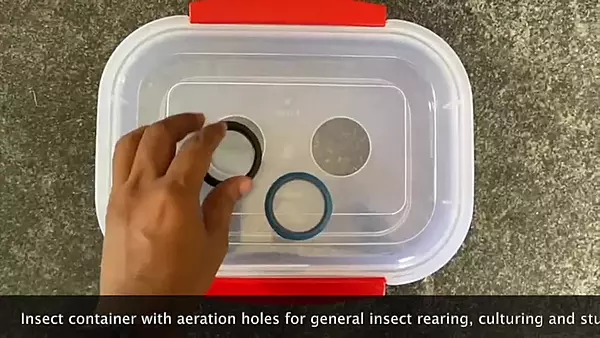

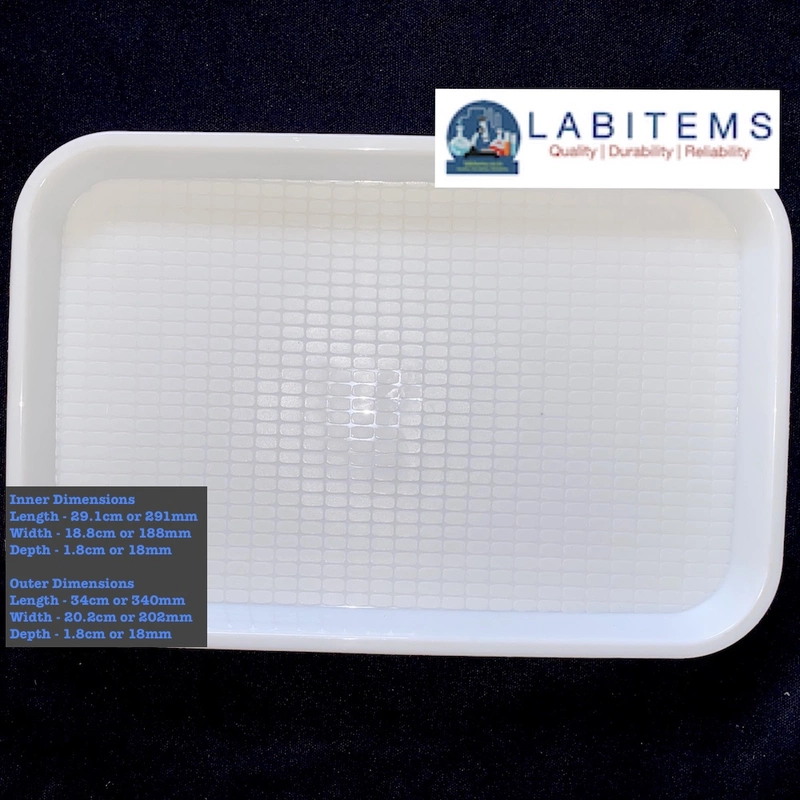
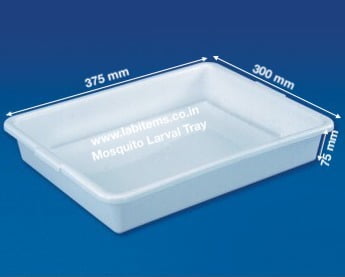
Different types of containers specifically used for housing, storing, breeding and observing insects. Here are revised types of insect containers and their uses:
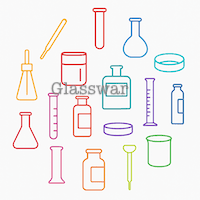
Glass Jars: Glass jars with lids are versatile containers used for short-term insect storage and observation in laboratory settings. They provide a clear view of the insects and are suitable for a wide range of insect species. These contains are suitable for repeated use however there are high chances that mis handling might broke the containers.
Plastic Containers: Plastic containers with secure lids are lightweight and durable options for insect storage and transport. They come in various sizes and shapes and are commonly used for field collection, laboratory studies, and insect rearing. Even though the containers can be used repeatedly, the lids broke due to repeated use. These are economical containers too.
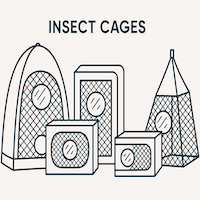
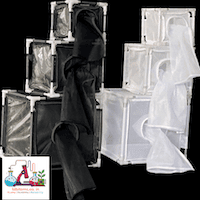
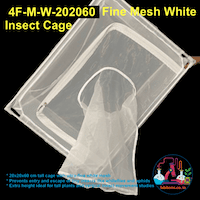
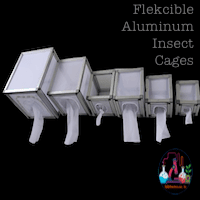
Mesh Cages: Mesh cages made from fine mesh fabric provide ventilation and airflow while containing insects. They are ideal for housing live insects in laboratory settings and can be used for breeding, observation, and experimentation. These are durable and can be used repeatedly.
Petri Dishes: Petri dishes are shallow, circular containers made from acyrlic plastic. They are commonly used for short-term observation and experimentation, such as studying insect behavior, feeding preferences, or development stages. These contains are durable and can be used repeatedly.
Vials, and Tubes: Small vials or tubes with screw caps are used for storing individual insects or small specimens. They are convenient for field collection and storage of delicate or tiny insects, such as parasitic wasps or beetles. We have containers from 25ml to 200ml are available. These containers can be repeatedly be used.
Insect Rearing Trays: Rearing trays or containers with multiple compartments are used for rearing insect colonies in laboratory settings. They provide separate chambers for different developmental stages or experimental treatments, facilitating controlled studies and breeding programs. These trays are also used for conducting bioassay studies on insects. Different well type of containers are available for use.
Flight Cages: Flight cages are large enclosures equipped with mesh walls or netting that allow insects to fly freely while containing them within a controlled environment. They are used for studying flight behavior, navigation, and dispersal of insects. These type of open cages are usually used to study flying and highly motile insects.
Aquatic Containers: Containers designed for aquatic insects include aquariums, tanks, or trays filled with water and aquatic plants. They are used for studying aquatic insect species, including larvae, nymphs, and adults, in their natural habitat.