







1. Introduction
Importance of Mosquito Larval Surveillance
Mosquito larval surveillance is the systematic monitoring of mosquito breeding habitats to detect, identify, and quantify immature mosquito populations. It forms a fundamental component of integrated vector management programs and provides critical information for the prevention and control of mosquito-borne diseases such as malaria, dengue, chikungunya, Zika, lymphatic filariasis, Japanese encephalitis, and West Nile fever.
Unlike adult mosquitoes, larvae are confined to aquatic habitats and cannot disperse from their breeding sites. This characteristic makes larval surveillance particularly valuable because it allows investigators to directly locate mosquito production sources and assess the effectiveness of control measures. Identifying breeding habitats at the larval stage enables vector control programs to target interventions before adult mosquitoes emerge and begin transmitting pathogens.
Larval surveillance serves several important purposes in public health and entomological research. It helps determine the distribution and abundance of mosquito species within a given area, identify productive breeding habitats, monitor seasonal fluctuations in mosquito populations, and evaluate the impact of environmental management or larviciding activities. The information generated through larval surveys can be used to prioritize control efforts and allocate resources more efficiently.
For researchers, larval surveillance provides essential material for taxonomic studies, ecological investigations, insecticide resistance monitoring, and laboratory colony establishment. Collection of larvae from diverse habitats also contributes to understanding species-specific habitat preferences, larval ecology, and factors influencing vector population dynamics.
In disease-endemic regions, regular larval surveillance supports early warning systems by detecting increases in vector populations before disease outbreaks occur. It also assists public health authorities in identifying newly established breeding sites resulting from urbanization, environmental changes, water management practices, or extreme weather events.
Larval surveillance is particularly important in the management of container-breeding mosquitoes such as Aedes aegypti and Aedes albopictus, which are responsible for the transmission of dengue and chikungunya viruses. Since these species often breed in artificial containers located near human dwellings, routine larval surveys provide an effective means of identifying and eliminating potential breeding sources.
When conducted systematically and combined with environmental data, larval surveillance contributes significantly to evidence-based vector control strategies. It provides actionable information that supports source reduction, larviciding, habitat modification, and community-based mosquito management programs. As a result, mosquito larval surveillance remains one of the most cost-effective and informative tools available for reducing vector populations and preventing mosquito-borne diseases.
2. Objectives of Mosquito Larval Surveys
Mosquito larval surveys are conducted to obtain accurate information on the occurrence, distribution, abundance, and ecology of mosquito populations during their aquatic developmental stages. The data generated through these surveys support vector surveillance, disease prevention programs, research activities, and evidence-based mosquito control interventions.
One of the primary objectives of larval surveys is to identify active breeding habitats and determine the mosquito species utilizing them. Different mosquito species exhibit distinct habitat preferences, and understanding these preferences is essential for designing effective vector control strategies. For example, Aedes mosquitoes commonly breed in artificial containers, whereas Anopheles mosquitoes are often associated with natural or semi-natural water bodies.
Larval surveys are also conducted to estimate the density and productivity of mosquito populations. By measuring the number of larvae and pupae present in breeding habitats, researchers and public health personnel can assess the relative importance of different habitats and identify major sources of mosquito production. This information enables vector control programs to prioritize high-risk breeding sites for intervention.
Another important objective is to monitor seasonal and geographical variations in mosquito populations. Environmental factors such as rainfall, temperature, humidity, land use, and water availability influence mosquito breeding patterns. Regular larval surveys provide valuable information on how mosquito populations fluctuate over time and help predict periods of increased disease transmission risk.
Larval surveys play a crucial role in supporting vector control operations. Information collected during surveys helps guide larval source management activities, including habitat modification, source reduction, biological control, and larviciding. The surveys also provide baseline data that can be used to evaluate the effectiveness of control measures through pre- and post-intervention comparisons.
In research and academic studies, larval surveys contribute to understanding mosquito ecology, species distribution, habitat associations, and population dynamics. Collected larvae may be used for taxonomic identification, laboratory colony establishment, insecticide susceptibility testing, molecular studies, and investigations of vector competence.
Larval surveys are additionally used for outbreak preparedness and disease risk assessment. Increases in larval abundance or the detection of vector species in new areas may provide an early indication of potential disease transmission. Consequently, surveillance data can assist health authorities in implementing timely preventive measures before adult mosquito populations become established.
Key Objectives of Mosquito Larval Surveys
- Identify mosquito breeding habitats.
- Determine the mosquito species present in an area.
- Estimate larval and pupal density.
- Assess habitat productivity and breeding site importance.
- Monitor seasonal population fluctuations.
- Support larval source management and vector control programs.
- Evaluate the effectiveness of mosquito control interventions.
- Collect specimens for taxonomic, ecological, and molecular studies.
- Establish laboratory colonies for research purposes.
- Monitor insecticide susceptibility and resistance.
- Assess disease transmission risk and support outbreak preparedness.
- Generate baseline data for long-term surveillance programs.
Well-designed larval surveys provide essential information for understanding mosquito populations and remain a cornerstone of integrated vector management programs worldwide.
3. Mosquito Life Cycle and Larval Biology
Mosquito Developmental Stages
Mosquitoes undergo complete metamorphosis and pass through four distinct developmental stages: egg, larva, pupa, and adult. The egg, larval, and pupal stages occur in aquatic environments, while the adult stage is terrestrial and capable of flight.
After hatching from eggs, mosquito larvae develop through four successive instars, feeding actively and increasing in size before transforming into pupae. The pupal stage is a non-feeding transitional stage during which the mosquito develops into an adult. Following emergence from the pupal case, the adult mosquito leaves the water surface and begins its terrestrial life.
The duration of each developmental stage varies among species and is influenced by environmental factors such as temperature, food availability, and water quality. Under favorable conditions, the complete life cycle from egg to adult may be completed within one to three weeks.
An understanding of mosquito developmental stages is essential for larval surveillance because the immature aquatic stages provide opportunities for monitoring mosquito populations and implementing control measures before adult mosquitoes emerge.
Larval Instars
Following egg hatching, mosquito larvae pass through four developmental stages known as instars. Each instar is separated by a molt, during which the larva sheds its exoskeleton to accommodate growth. These stages are commonly referred to as the first, second, third, and fourth instars.
The first instar is the smallest and most delicate stage, while the fourth instar is the largest and most developed. Throughout the larval period, mosquitoes actively feed on microorganisms, organic particles, algae, and other suspended materials present in the water. As larvae progress through successive instars, their body size, head capsule width, and feeding capacity increase.
Identification of larval instars is important in mosquito surveillance and research because the age structure of a population can provide information on breeding activity, habitat productivity, and the timing of adult emergence. Early instars often indicate recent oviposition, whereas the presence of numerous fourth instars and pupae suggests that adult mosquitoes may emerge in the near future.
For most routine field surveys, larvae are recorded collectively as early instars (first and second instars) or late instars (third and fourth instars). However, detailed ecological and laboratory studies may require separation and identification of individual instars.
Pupal Stage
The pupal stage is the transitional phase between the larval and adult stages. Unlike larvae, pupae do not feed and remain active primarily through swimming movements in response to disturbance. During this stage, major internal transformations occur, resulting in the development of the adult mosquito.
The duration of the pupal stage typically ranges from one to several days, depending on species and environmental conditions. The presence of large numbers of pupae in a habitat often indicates imminent adult emergence.
Importance of Larval Habitats
Larval habitats are aquatic environments where mosquitoes complete their immature developmental stages. The availability, characteristics, and productivity of these habitats largely determine the abundance and distribution of mosquito populations in a given area.
Different mosquito species exhibit distinct habitat preferences. For example, Aedes mosquitoes commonly breed in artificial containers, Anopheles mosquitoes are often associated with ground pools and ponds, while Culex mosquitoes frequently occur in organically enriched water bodies. Understanding these habitat preferences is essential for species identification and targeted vector control.
The study of larval habitats helps researchers and public health personnel identify major breeding sources, assess habitat productivity, and prioritize control measures. Since mosquito larvae are confined to water bodies, larval habitats represent the most accessible stage for surveillance and intervention before adult mosquitoes emerge and contribute to disease transmission.
4. Objectives of Mosquito Larval Collection
Species Identification
One of the primary objectives of mosquito larval collection is the identification of mosquito species present in a particular area. Accurate species identification is fundamental to vector surveillance because different mosquito species vary considerably in their ecology, behavior, disease transmission potential, and response to control measures.
Larval collections provide access to immature stages that can be identified directly using morphological keys or reared to adulthood for confirmation. In many surveillance programs, larval identification is often more practical than adult sampling because breeding sites are easier to locate than adult resting or host-seeking populations. Knowledge of species composition helps determine whether medically important vectors such as Aedes aegypti, Aedes albopictus, Anopheles stephensi, Anopheles culicifacies, or Culex quinquefasciatus are present in the study area.
Vector Surveillance
Mosquito larval collection is a critical component of vector surveillance programs. Larval surveys provide information on the presence, abundance, distribution, and seasonal dynamics of mosquito populations before they emerge as adults. Because larvae are confined to aquatic habitats, surveillance activities can identify active breeding sites and estimate the productivity of individual habitats.
Routine larval surveillance enables public health agencies to monitor changes in mosquito populations over time and detect the emergence of new breeding habitats. Data obtained from larval surveys support evidence-based vector management by identifying areas that require intervention and by helping prioritize control activities where resources are limited.
Insecticide Resistance Studies
Mosquito larvae collected from the field are frequently used in insecticide resistance monitoring programs. Resistance to insecticides is a growing concern worldwide and can significantly reduce the effectiveness of vector control interventions. Monitoring resistance levels is therefore essential for maintaining successful mosquito control programs.
Field-collected larvae can be reared under controlled laboratory conditions to obtain standardized adult populations for susceptibility testing. Regular resistance monitoring helps guide insecticide selection, supports resistance management strategies, and assists public health authorities in adapting control programs to changing vector populations.
Colony Establishment
Mosquito larvae collected from natural breeding habitats are often used to establish laboratory colonies. Laboratory colonies provide a reliable and continuous source of mosquitoes for research, teaching, insecticide evaluation, vector competence studies, and behavioral investigations.
Larval collections are particularly valuable when establishing colonies from local mosquito populations because they preserve the genetic characteristics and ecological adaptations of field populations. Colonies derived from local vectors can provide more representative results than long-established laboratory strains.
Ecological Studies
Larval collections provide valuable information for understanding mosquito ecology and the environmental factors that influence mosquito populations. Ecological studies investigate the relationships between mosquitoes and their habitats, including the effects of water quality, vegetation, climate, predators, and human activities on mosquito breeding.
Disease Outbreak Investigations
Mosquito larval surveys are frequently conducted during disease outbreaks to identify vector breeding sources and assess the risk of continued transmission. During outbreaks of malaria, dengue, chikungunya, Japanese encephalitis, or other mosquito-borne diseases, rapid identification of vector habitats is essential for implementing timely control measures.
In outbreak situations, larval surveillance is often combined with adult mosquito surveillance, epidemiological investigations, and environmental assessments to provide a comprehensive understanding of transmission dynamics.
5. Planning a Larval Survey
Defining Survey Objectives
A successful larval survey begins with clearly defined objectives. The purpose of the survey influences the selection of sampling methods, survey locations, sampling frequency, personnel requirements, and data collection procedures. Without clearly established objectives, surveys may generate data that are difficult to interpret or unsuitable for decision-making.
Larval surveys may be conducted for routine vector surveillance, species identification, habitat characterization, insecticide resistance studies, colony establishment, ecological research, or outbreak investigations.
Selection of Study Area
The selection of an appropriate study area is critical for obtaining representative and meaningful surveillance data. Study areas should be chosen based on the survey objectives and the ecological characteristics of the target mosquito species.
Factors commonly considered during site selection include disease incidence, historical mosquito abundance, environmental conditions, human population density, accessibility, and the presence of known breeding habitats.
Mapping Breeding Habitats
Mapping breeding habitats is an important component of mosquito larval surveillance. The process involves locating, documenting, and classifying potential mosquito breeding sites within the study area. Accurate habitat mapping provides a spatial understanding of mosquito distribution and helps identify areas requiring targeted control interventions.
Modern surveillance programs frequently use GPS devices and Geographic Information Systems (GIS) to record and visualize breeding site locations.
Seasonal Considerations
Mosquito populations are strongly influenced by seasonal environmental conditions. Temperature, rainfall, humidity, water availability, and vegetation growth can all affect the formation and persistence of breeding habitats. In many regions, mosquito abundance increases during or shortly after rainy seasons when temporary breeding habitats become available.
Permissions and Ethical Considerations
Mosquito larval surveys should be conducted in accordance with applicable regulations, institutional requirements, and ethical standards. Prior to fieldwork, investigators should obtain any necessary permissions from local authorities, landowners, government agencies, or institutional review bodies.
6. Equipment and Materials Required
Successful mosquito larval surveillance depends on the use of appropriate field equipment. The selection of equipment should be based on survey objectives, habitat types, sampling intensity, and specimen handling requirements.
Standard Larval Dipper
The most widely used sampling tool — a white cup on a telescopic handle for collecting standardized volumes of water from open habitats. The white interior provides a contrasting background for easy larval detection.
Pipettes and Droppers
Essential for collecting larvae from confined habitats — tree holes, bamboo stumps, rock pools, leaf axils, and small containers. Minimizes physical damage to delicate early instars.
Larval Trays
Shallow white containers for sorting, examining, and counting collected specimens. The white background improves visibility and aids preliminary identification.
Collection Bottles
Clean, leak-proof containers for transporting live larvae and pupae from the field to the laboratory. Filled partially with habitat water to reduce stress during transit.
Whirl-Pak Bags
Sterile, leak-resistant sampling bags for water samples, aquatic vegetation, and organic debris. Lightweight and easy to transport with minimal storage space requirements.
Fine Brushes
Soft camel-hair or synthetic brushes for handling delicate larvae and pupae without physical damage. Especially useful during species identification and colony establishment.
GPS Device
Records precise geographic coordinates of breeding habitats for spatial mapping, GIS integration, and long-term habitat monitoring.
Data Recording Sheets
Standardized forms for documenting sampling date, location, GPS coordinates, habitat type, larval counts, pupal counts, species, and environmental conditions.
Personal Protective Equipment
Protective clothing, boots, gloves, hats, safety glasses, and insect repellents reduce exposure to biting insects, contaminated water, and other field hazards.
7. Types of Mosquito Breeding Habitats
Natural Habitats
Natural habitats are water bodies formed through natural environmental processes that provide suitable conditions for mosquito breeding. Many medically important mosquito species, particularly members of the genera Anopheles, Culex, and Mansonia, utilize natural aquatic habitats during their immature stages.
Ponds
Ponds are among the most common natural mosquito breeding habitats. They may be permanent or seasonal and vary considerably in size and vegetation cover. Shallow pond margins with limited water movement often support high densities of mosquito larvae. Species of Anopheles and Culex are frequently encountered in ponds, particularly where aquatic vegetation and organic matter are present.
Marshes
Marshes are shallow wetlands characterized by standing water and dense emergent vegetation. These habitats provide shelter, food resources, and protection from predators, making them highly suitable for mosquito development. The dense vegetation can make sampling difficult, and specialized techniques such as dipping among vegetation or using aquatic nets may be required.
Tree Holes
Tree holes are natural cavities in living or dead trees that accumulate rainwater and organic debris. Due to their small size and restricted access, tree holes are typically sampled using pipettes or droppers rather than standard dippers.
Leaf Axils
Leaf axils are water-holding spaces formed between leaves and plant stems. Certain plants, including banana, pineapple, taro, bromeliads, and some palms, can retain sufficient water to support mosquito development. Sampling is usually performed using pipettes or droppers.
River Margins
River margins frequently contain shallow pools, depressions, and isolated pockets of water that form along the edges of flowing water bodies. Several mosquito species, particularly certain Anopheles species, utilize these habitats.
Artificial Habitats
Artificial habitats are man-made structures or containers that accumulate water and provide breeding sites for mosquitoes. These habitats are particularly important in urban and peri-urban environments and are frequently associated with Aedes aegypti and Aedes albopictus, the primary vectors of dengue, chikungunya, yellow fever, and Zika viruses.
Water Storage Containers
Drums, tanks, buckets, cisterns, and household storage vessels can support mosquito development when water remains undisturbed for extended periods. Because these containers are often located close to human dwellings, they contribute directly to increased human-vector contact.
Tires
Discarded vehicle tires are recognized worldwide as highly productive mosquito breeding habitats. Rainwater accumulates within the tire cavity, creating a stable aquatic environment protected from sunlight and disturbance. Tires have played a significant role in the spread of invasive mosquito species.
Drums
Metal and plastic drums used for water storage, industrial applications, or waste disposal often become mosquito breeding sites when exposed to rainfall. Routine surveillance should include inspection of both active and discarded drums.
Construction Sites
Construction sites commonly contain curing tanks, foundation pits, drainage channels, tarpaulins, and discarded materials that accumulate water and support mosquito breeding.
Discarded Containers
Plastic cups, bottles, cans, food containers, and flower pots capable of holding water can all function as mosquito breeding habitats. Container-breeding mosquitoes are particularly adept at exploiting these habitats.
8. Habitat Classification and Characterization
Habitat classification and characterization are important components of mosquito larval surveillance. Proper habitat classification helps researchers and vector control personnel understand species-specific habitat preferences, identify productive breeding sites, and design targeted control interventions.
Permanent vs Temporary Habitats
Permanent habitats retain water throughout most or all of the year — ponds, marshes, lakes, reservoirs, and some irrigation systems. These habitats often support stable mosquito populations.
Temporary habitats are formed following rainfall, flooding, or irrigation — puddles, hoof prints, borrow pits, tire tracks, and construction depressions. Although they may exist only for days or weeks, they can be highly productive breeding sites.
Sunlit vs Shaded Habitats
Sunlit habitats receive direct sunlight for most of the day. Many Anopheles species preferentially utilize sunlit habitats such as rice fields, ground pools, and pond margins.
Shaded habitats occur beneath tree canopies, dense vegetation, or buildings. Container-breeding mosquitoes such as Aedes aegypti frequently utilize partially shaded environments.
Clean vs Polluted Water
Clean water habitats contain relatively low concentrations of organic pollutants. Several vector species, including many Anopheles mosquitoes, are commonly associated with cleaner environments.
Polluted water habitats contain elevated levels of organic matter or sewage. Species of Culex are well adapted to organically enriched water bodies including drains and wastewater channels.
Vegetation Assessment
Aquatic and surrounding vegetation strongly influence mosquito breeding habitat suitability. During habitat characterization, investigators commonly record presence/absence, density, emergent, floating, and submerged vegetation, as well as surrounding terrestrial vegetation.
Water Depth and Surface Area
Physical dimensions of breeding habitats are routinely documented during larval surveys. Water depth influences temperature, oxygen availability, predator presence, and habitat stability. Surface area determines the extent of sampling required and helps classify habitats.
9. Larval Collection Methods
Standard Dipping Method
The dipping method is the most widely used technique for collecting mosquito larvae from aquatic habitats. It provides a rapid, standardized, and cost-effective approach for assessing larval density and habitat productivity.
Equipment
- Larval Dipper
- Larval Tray
- Pipette
- Collection Bottles
- Data recording sheets & GPS device
- Fine forceps or brush
Procedure
- Approach the habitat slowly to avoid disturbing larvae.
- Avoid casting shadows over the water surface whenever possible.
- Lower the dipper gently at approximately a 45° angle.
- Allow water to flow smoothly into the dipper.
- Remove the dipper carefully and inspect its contents.
- Count and record the number of larvae and pupae present.
- Transfer specimens into labeled containers using a pipette.
- Repeat at multiple locations representing different microhabitats.
Number of Dips
- Small habitats: 5–10 dips
- Medium habitats: 10–20 dips
- Large habitats: 20 or more dips
Advantages & Limitations
Advantages: Simple, inexpensive, rapid, standardized, suitable for most open-water habitats. Limitations: Less effective in heavily vegetated habitats; not suitable for very small containers; larvae may dive in response to disturbance.
Pipette Collection Method
The pipette collection method is used when breeding habitats are too small, narrow, or inaccessible for standard dipping. It is particularly useful for tree holes, small containers, and rock pools.
Procedure
- Visually inspect the habitat for larvae and pupae.
- Insert the pipette into the water without disturbing the habitat.
- Aspirate larvae individually or in small groups.
- Transfer specimens into collection containers containing habitat water.
- Label and record habitat information.
Advantages: Excellent for confined habitats; minimal disturbance; suitable for individual specimens. Limitations: Time-consuming for large habitats; limited sample volume.
Net Sampling Method
Net sampling is commonly used when standard dipping becomes difficult due to habitat size, dense vegetation, or water movement. The method involves sweeping a fine mesh aquatic collection net through water to collect larvae, pupae, and associated aquatic organisms.
Procedure
- Sweep the net slowly through the water.
- Sample different habitat zones, including vegetated areas.
- Empty contents into a larval tray.
- Sort and identify mosquito larvae.
- Transfer specimens into labeled containers.
Advantages: Effective in vegetated habitats; samples larger water volumes. Limitations: Less standardized than dipping; may collect large amounts of debris.
Direct Collection Method
Direct collection involves examining a habitat visually and collecting larvae directly from the water body. This method is frequently used for container-breeding mosquitoes in artificial containers, tires, buckets, drums, and household water storage vessels.
Equipment
Advantages: Simple, rapid, allows complete inspection of small habitats. Limitations: Not suitable for large habitats; difficult to standardize for density estimation.
10. Step-by-Step Field Collection Procedure
A systematic field collection procedure is essential for obtaining representative mosquito larval samples while minimizing disturbance to breeding habitats.
Site Approach
Investigators should approach the habitat slowly and carefully, avoiding unnecessary disturbance of the surrounding vegetation or water. When possible, sampling should be conducted from the side of the habitat rather than directly overhead, and care should be taken to avoid casting shadows across the water surface.
Visual Inspection
A thorough visual inspection should be performed before any sampling equipment is introduced. The inspection should focus on water margins, vegetated areas, shaded sections, floating debris, container walls and corners, and areas with accumulated organic matter.
Larval Detection
Indicators of mosquito breeding include larvae suspended beneath the water surface, characteristic wriggling movement of larvae, pupae exhibiting rapid tumbling movements, and the presence of multiple developmental stages within the same habitat.
Sample Collection
- Larval dippers — for ponds, marshes, rice fields, and open-water habitats.
- Pipettes and droppers — for tree holes, leaf axils, small containers, and confined habitats.
- Aquatic nets — in densely vegetated habitats or large water bodies.
Transfer to Containers
Specimens should be transferred carefully into appropriately labeled collection bottles, sample vials, or Whirl-Pak bags. Habitat water should be used whenever possible. Overcrowding should be avoided, and exposure to direct sunlight minimized during transport.
Labeling
At a minimum, each sample label should include: sample identification number, collection date and time, site name, GPS coordinates, habitat type, and collector's name. Accurate labeling ensures that specimens can be linked accurately to their collection sites and associated environmental data.
11. Larval Handling and Transportation
Proper handling and transportation of mosquito larvae are essential for maintaining specimen quality and minimizing mortality between field collection and laboratory processing.
Oxygen Requirements
Containers should never be filled completely with water, as an air space is necessary to facilitate gas exchange and maintain adequate oxygen levels. Signs of oxygen stress may include reduced activity, abnormal positioning, or increased mortality.
Avoiding Overcrowding
Overcrowding is one of the most common causes of larval mortality during transportation. Use multiple containers when collecting large numbers of larvae, separate large collections into manageable groups, and remove unnecessary debris that may consume oxygen during decomposition.
Transport Containers
Commonly used containers include collection bottles, sample vials, and Whirl-Pak bags. Containers should be clean, leak-proof, partially filled with habitat water, properly labeled, and protected from direct sunlight.
Temperature Considerations
Transport containers should be kept out of direct sunlight, in shaded or insulated carriers when possible, and away from vehicle dashboards or enclosed spaces that may overheat. Sudden temperature fluctuations should be avoided whenever possible.
Long-Distance Transport
For extended transport periods, use larger containers with adequate air space, reduce larval density per container, and protect containers from excessive vibration and temperature extremes. When transport exceeds several hours, fourth instar larvae and pupae should be monitored carefully because adult emergence may occur during transit.
12. Recording Environmental Parameters
Environmental parameters recorded during mosquito larval surveys provide important information about habitat suitability and factors influencing mosquito abundance.
GPS Coordinates
Recording the geographic coordinates of breeding habitats using GPS devices or smartphones allows precise documentation of sampling locations and facilitates long-term surveillance and spatial analysis.
Water Temperature
Water temperature should be measured using a thermometer or digital temperature meter directly from the breeding habitat. Measurements are recorded in degrees Celsius (°C). Higher temperatures often accelerate larval development, whereas lower temperatures may prolong developmental periods.
pH
The pH of a breeding habitat indicates its acidity or alkalinity. Field measurements can be obtained using portable pH meters, test strips, or colorimetric kits. The pH value should be recorded at the time of collection.
Conductivity
Conductivity measures the ability of water to conduct electrical current (expressed in µS/cm or mS/cm). Portable conductivity meters provide rapid and reliable field measurements and help characterize habitat type and water quality.
Turbidity
Turbidity refers to the cloudiness of water caused by suspended particles. It may be assessed using turbidity meters (expressed in NTU) or estimated visually during routine surveys.
Vegetation Cover
During surveys, investigators may record presence or absence of vegetation, density, and types (emergent, floating, submerged). Standardized vegetation assessments improve habitat characterization and support ecological studies.
Weather Conditions
Air temperature, rainfall, cloud cover, wind conditions, and relative humidity at the time of sampling should be documented because they influence mosquito activity, habitat availability, and survey results.
13. Sample Labeling and Tracking
Accurate sample labeling and tracking are essential components of mosquito larval surveillance. Proper labeling ensures that specimens remain linked to their collection site, environmental data, collection date, and other associated records throughout processing, transport, identification, and analysis.
Unique Sample IDs
Each sample should be assigned a unique identification number. Sample identifiers should be simple, consistent, and easy to interpret — for example: VJA-2025-001 where VJA = location code, 2025 = year, and 001 = sequential sample number.
Habitat Codes
| Habitat Type | Suggested Code |
|---|---|
| Pond | PD |
| Marsh | MR |
| Tree Hole | TH |
| Leaf Axil | LA |
| River Margin | RM |
| Water Storage Container | WC |
| Tire | TR |
| Drum | DR |
| Construction Site | CS |
| Discarded Container | DC |
Chain of Custody
A chain-of-custody record documents the history of sample possession, handling, transfer, and storage from collection until final analysis. It is particularly important when specimens are used for insecticide resistance testing, molecular analysis, or disease investigations.
14. Larval Identification Techniques
Morphological Identification
Morphological identification remains the most widely used method for identifying mosquito larvae. It relies on the examination of external anatomical features and the use of taxonomic keys to determine the genus and species of mosquito specimens.
Sorting
Following collection, mosquito larvae are separated from debris and other aquatic organisms in a white larval tray using a pipette or fine brush.
Instar Determination
Instars are distinguished by body size, head capsule width, and development of anatomical structures. For routine surveillance, larvae are categorized as early instars (1st and 2nd) or late instars (3rd and 4th). Large numbers of late instars and pupae may indicate imminent adult emergence.
Species Identification
Species identification examines diagnostic morphological features including head structures, antennae, setae, comb scales, siphon characteristics, saddle structures, and pecten teeth.
Microscopy and Taxonomic Keys
Morphological identification typically requires examination under a stereomicroscope or compound microscope. Diagnostic features are compared with regional mosquito identification keys, WHO identification manuals, and national vector surveillance guides.
Molecular Identification
Molecular identification has become an important complement to traditional morphological methods. DNA-based techniques enable accurate species identification, particularly when specimens are damaged, immature, morphologically similar, or belong to cryptic species complexes.
DNA Extraction
DNA may be extracted from individual larvae, pupae, adult mosquitoes, or preserved specimens using commercial extraction kits, Chelex-based extraction, phenol-chloroform extraction, or silica column purification methods.
PCR Methods
Polymerase Chain Reaction (PCR) is widely used to amplify specific DNA regions for species identification. Common genetic markers used include Internal Transcribed Spacer 2 (ITS2), Cytochrome Oxidase I (COI), 28S ribosomal DNA, and microsatellite markers.
DNA Barcoding
DNA barcoding uses a short DNA sequence — typically the mitochondrial Cytochrome Oxidase I (COI) gene — to identify species. Sequence comparisons are performed using databases such as GenBank and the Barcode of Life Data System (BOLD).
References
- Becker N, et al. Mosquitoes and Their Control. 2nd Ed. Springer; 2010.
- Service MW. Medical Entomology for Students. 5th Ed. Cambridge University Press; 2012.
- Silver JB. Mosquito Ecology: Field Sampling Methods. 3rd Ed. Springer; 2008.
- Wilkerson RC, et al. Making Mosquito Taxonomy Useful. PLoS One. 2015.
- Hebert PDN, et al. Biological Identifications through DNA Barcodes. Proc R Soc B. 2003.
- Ratnasingham S, Hebert PDN. BOLD: The Barcode of Life Data System. Mol Ecol Notes. 2007.
15. Rearing Collected Larvae to Adults
Rearing field-collected mosquito larvae to adulthood is a common practice in entomological research, vector surveillance, and species identification. Adult mosquitoes often possess diagnostic characteristics absent in immature stages, making adult emergence an important confirmation step.
Rearing Containers
Commonly used containers include larval trays, plastic rearing pans, enamel trays, and mosquito rearing bowls. Shallow trays are generally preferred because they provide a larger water surface area, improve oxygen exchange, and facilitate observation.
Feeding Methods
Common larval diets include finely ground fish food, yeast powder, liver powder, dog biscuit and yeast mixtures, commercial mosquito larval diets, and ground rodent chow. Food should be supplied in small quantities at regular intervals, and excess feeding avoided because uneaten food deteriorates water quality rapidly.
Environmental Conditions
- Temperature: Most species develop successfully between 25°C and 30°C.
- Relative Humidity: 70–80% for adult emergence and maintenance.
- Photoperiod: Typically 12:12 light-dark cycle.
- Water Quality: Clean water free from contaminants; partial replacement may be needed.
- Larval Density: Avoid overcrowding to improve adult size and survival.
Adult Emergence
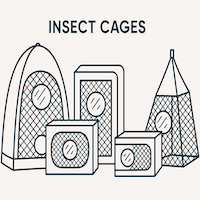
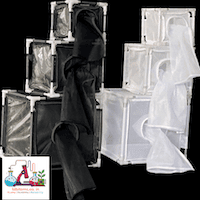
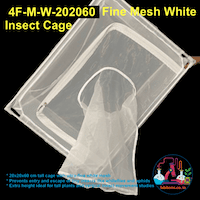
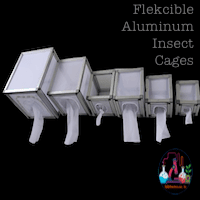
Pupae should be transferred to insect rearing cages before adult emergence whenever possible. This prevents accidental escape and facilitates collection of newly emerged adults. During emergence, the adult splits the pupal skin, rests briefly at the water surface, and allows wings and body structures to expand and harden before flight.
References
- Gerberg EJ, Barnard DR, Ward RA. Manual for Mosquito Rearing and Experimental Techniques. AMCA Bulletin.
- Clements AN. The Biology of Mosquitoes. Vol. 1. Chapman & Hall; 1992.
- Becker N, et al. Mosquitoes and Their Control. 2nd Ed. Springer; 2010.
- Service MW. Medical Entomology for Students. 5th Ed. Cambridge University Press; 2012.
16. Larval Surveillance Indices
Larval surveillance indices are standardized measures used to assess the prevalence and distribution of mosquito breeding in a given area. These indices are particularly important for monitoring container-breeding mosquitoes such as Aedes aegypti and Aedes albopictus.
House Index (HI)
The House Index represents the percentage of houses inspected that contain one or more mosquito-positive containers.
Example: 200 houses inspected; 30 positive → HI = (30 ÷ 200) × 100 = 15%
Limitations: Does not account for the number of breeding containers within a house or measure mosquito productivity.
Container Index (CI)
The Container Index represents the percentage of water-holding containers that contain mosquito larvae or pupae.
Example: 500 containers examined; 75 positive → CI = (75 ÷ 500) × 100 = 15%
Limitations: All containers are weighted equally regardless of size or productivity.
Breteau Index (BI)
One of the most widely used larval surveillance indicators — it measures the number of positive containers per 100 houses inspected.
Example: 200 houses; 50 positive containers → BI = (50 ÷ 200) × 100 = 25
A Breteau Index of 25 indicates 25 mosquito-positive containers per 100 houses inspected. Because it combines household and container data, it is generally considered more informative than HI or CI alone.
Pupal Index
Pupal surveys often provide a better estimate of the adult mosquito population because mortality between the pupal stage and adult emergence is relatively low.
Advantages: Closely related to adult mosquito production; identifies key breeding sites. Limitations: More labor-intensive; pupae are often less abundant and harder to collect.
Index Comparison
| Index | Measures | Best Use |
|---|---|---|
| House Index (HI) | % infested houses | Community-level surveillance |
| Container Index (CI) | % infested containers | Habitat/container monitoring |
| Breteau Index (BI) | Positive containers per 100 houses | Dengue surveillance programs |
| Pupal Index | Pupal abundance per house/person/ha | Adult production estimation |
References
- WHO. Dengue: Guidelines for Diagnosis, Treatment, Prevention and Control. Geneva: WHO; 2009.
- WHO. Operational Guide for Assessing the Productivity of Aedes aegypti Breeding Sites. Geneva: WHO; 2011.
- Focks DA. A Review of Entomological Sampling Methods and Indicators for Dengue Vectors. WHO/TDR; 2003.
- Service MW. Medical Entomology for Students. 5th Ed. Cambridge University Press; 2012.
- Silver JB. Mosquito Ecology: Field Sampling Methods. 3rd Ed. Springer; 2008.
- Becker N, et al. Mosquitoes and Their Control. 2nd Ed. Springer; 2010.